Top Mountain Bikes for Off-Road Adventures
This buying guide covers the essential features and considerations when selecting the best mountain bikes for off-road adventures. Whether you are tackling rugged trails or exploring scenic landscapes, having the right mountain bike is crucial for an enjoyable and safe experience. We will highlight key attributes to look for, including frame materials, suspension types, and gearing systems, ensuring you make an informed decision that fits your adventure needs.
This guide is designed for outdoor enthusiasts, beginners, and seasoned riders alike who are looking to invest in a mountain bike that can handle various terrains. You will learn about the typical price ranges for different bike types, which can vary greatly depending on specifications and features. By the end of this guide, you will have a clear understanding of what to look for in a mountain bike to maximize your off-road experience.
Research Frame Types
When choosing a mountain bike, consider the frame material. Aluminium is lightweight and affordable, while carbon fibre offers superior strength and reduced weight for a higher price. Steel frames provide durability and comfort but can be heavier. Assess your riding style to select the best frame type for your adventures.
People Also Look For:
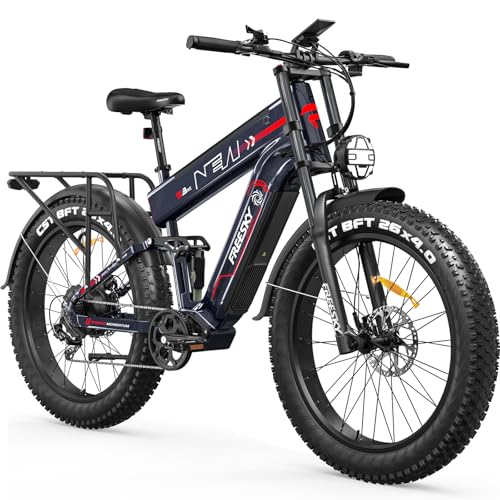
- FREESKY Dual Battery Electric Bike for Adults, 48V 41AH 160 Miles Long Range Dirt E Bike, 26" Fat Tire Fast Mountain EBike, Full S...
- LNRLZYLS Kids Bike for Boys & Girls Ages 7–12, 20/24 Inch Mountain Bicycle with 7-Speed Gear, Dual Disc Brakes, Suspension ...
- Mountain Bike/Bicycles 26'' wheel Lightweight Aluminium Frame 21 Speeds SHIMANO Disc Brake
- Touroll U1 Electric Mountain Bike, 26''/29'' Electric Bicycle Commute E-bike with 36V 13Ah Removable Battery, LED Display, Dual Di...
- LSBIKE Mountain Bike 24in 26in 27.5In 3/10 Spoke Wheels Bicycle 21 Speed Drivetrain Bike Mountain bicycle for Adult Men Dual Suspe...
Check Suspension Options
Mountain bikes come with either hardtail or full suspension. Hardtail bikes are lighter and more efficient on smooth trails, while full suspension bikes provide better shock absorption on rough terrains. Evaluate the type of trails you’ll be riding to determine the right suspension for your needs.
Gearing Systems Matter
Look for bikes with a wide range of gears, as this allows for better performance on varying inclines and terrains. A bike with a 1x drivetrain simplifies gear shifting and reduces weight, while a traditional multi-chainring setup offers more versatility. Choose a gearing system that suits your fitness level and riding style.
Prioritise Safety Features
Ensure your mountain bike is equipped with reliable brakes, such as disc brakes, which provide superior stopping power in all conditions. Additionally, consider adding safety accessories like lights and reflective gear, especially if you plan to ride in low visibility situations.
Set a Realistic Budget
Mountain bike prices can range significantly based on quality and features. Entry-level bikes typically start around £300, while high-end models can exceed £2,000. Determine your budget beforehand and balance the features you need with the amount you’re willing to spend for the best value.
Consider the Weight
The weight of the bike can impact your riding performance, especially on challenging terrains. Lighter bikes are easier to maneuver and carry, but they may come at a higher cost. Assess the weight of the bike in relation to your personal strength and endurance to find the right balance.